



























































Kisumu Validation Exercise Puts Youth and Caregivers at the Centre of NIKO's Design
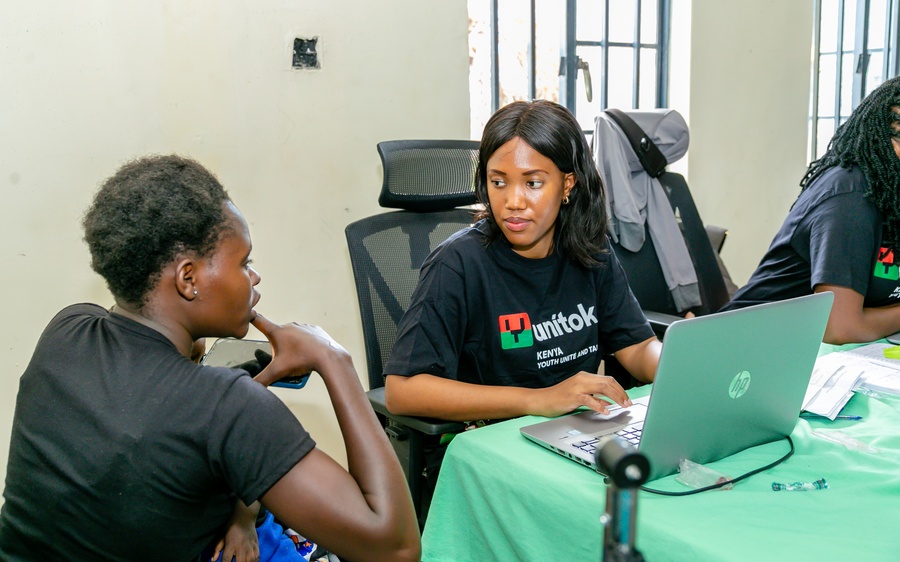
KISUMU. A validation exercise for the NIKO (No One Is Kept Out) App and USSD platform, coordinated with support from Yunitok, Kenya's U-Report platform, has brought more than 500 caregivers and frontline workers into the testing of a tool meant to improve access to services for children with disabilities. The exercise was carried out under the Humanitarian Innovation Programme (HIP).
NIKO is a digital solution designed to ensure that children with disabilities and their caregivers are not left behind in accessing essential services. Yunitok's involvement reflects its wider aim of giving young people, caregivers and frontline actors a meaningful role in shaping how humanitarian services are delivered in their communities.
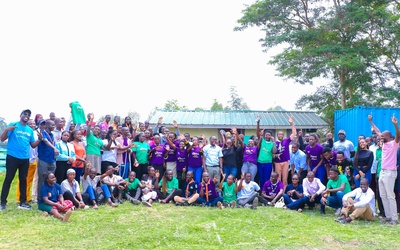
In Nyando and Kisumu East, Yunitok supported the engagement of 513 caregivers and 27 frontline workers, among them young medical and education assessors. Participants tested the registration, assessment and referral modules of both the app and the USSD platform. The exercise built on user acceptance testing held in July and a follow-up mini-assessment in Kasarani, so that feedback from communities and young people informed each round of refinement.
Testing covered disability registration and assessment flows, referral and service-linkage processes, data management and verification, feedback loops and user experience, and the ease of use of the USSD channel.
Assessors and caregivers identified a number of practical issues, including incomplete submissions, USSD timeouts, gaps in data traceability and the absence of functionality for reassessments.
Feedback gathered through Yunitok's engagement channels informed a set of recommendations to the NIKO team. These include introducing mandatory fields to ensure complete data, improving the visibility and navigation of long forms, allowing more than one disability to be selected, and strengthening authentication and verification at registration. Participants also recommended integration with Ministry of Health, Ministry of Education and NCPWD systems, the addition of auto-save, draft mode and offline capability, and improvements to data flow for accuracy and archiving.
Alongside the validation, Yunitok supported community mobilisation for an assistive device distribution exercise, following the June 2025 mapping of 798 children with disabilities. A total of 84 devices were distributed across Ahero, Nyalenda and Ngeny School. Forty-four children, 20 boys and 24 girls, were fitted with hearing aids. Six children could not be fitted because of eligibility or contact issues.
Young volunteers and community champions helped mobilise caregivers, facilitate communication and support the distribution process. The team documented several challenges, including caregiver lateness, inaccurate addresses and limited alternative contacts. These will inform improved mobilisation strategies, clearer sensitisation and closer collaboration with schools.
The Kisumu exercise demonstrated the contribution young people can make to improving digital public goods such as NIKO, from testing and feedback to community mobilisation and the strengthening of referral pathways. As the programme moves towards scale, Yunitok will continue to ensure that youth voice, digital innovation and community feedback inform the design of inclusive humanitarian systems.